From Tears to Love: A Reflection on Why Jesus cried?
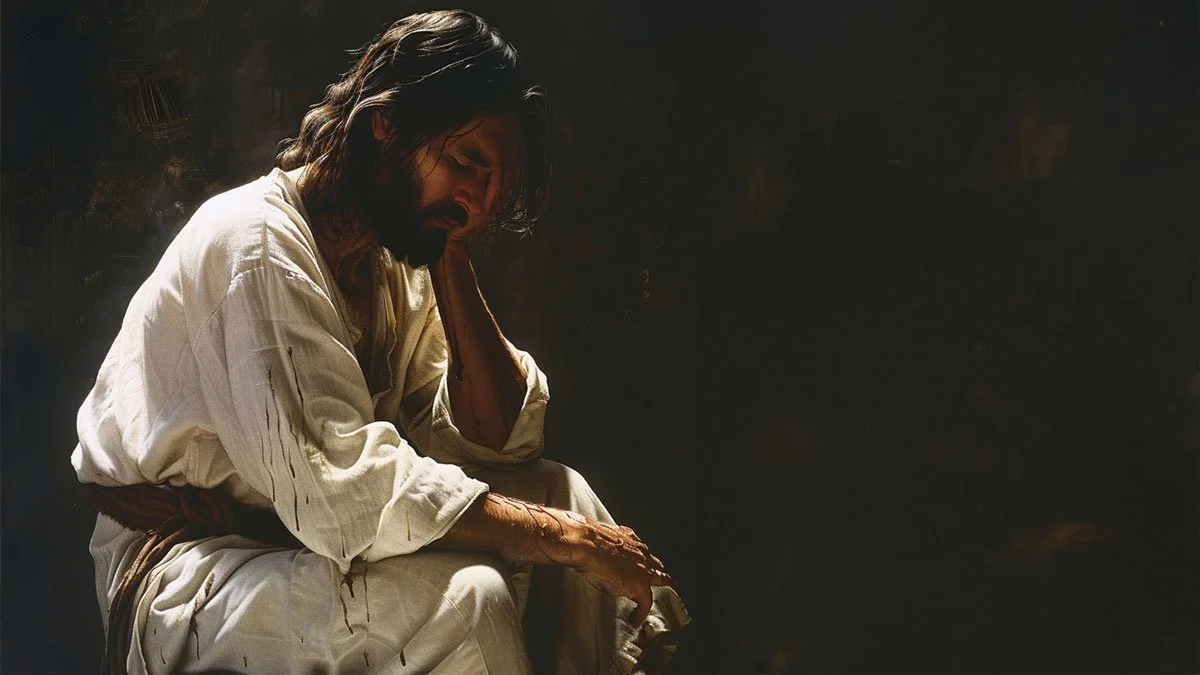
There are three times in the Gospels when Jesus cries. The first is at the death of his dear friend Lazarus (John 11:35), the second is before He enters Jerusalem (Luke 19:41), and the third is in the Garden of Gethsemane before His arrest (Luke 22:44).
I have been thinking of this of late, inspired by the final episode of the 5th season of the hit series, The Chosen, which demonstrates quite intensely and creatively the experience of Jesus in prayer in the Garden on Holy Thursday night. As I struggle with my own mortality on this healing journey from cancer, I find great comfort in relating to the vulnerable and very human (while also divine) Jesus. I also find comfort here as violence, war, and suffering grows by the day.
The focus of my reflection today; however, is on the middle experience as Jesus “weeps over Jerusalem.”
But first, a few thoughts on the two other experiences. It is noteworthy that these three accounts of tears happen quite close to one another, not surprising as Jesus knew His time on earth was coming to an end.
Before Raising Lazarus
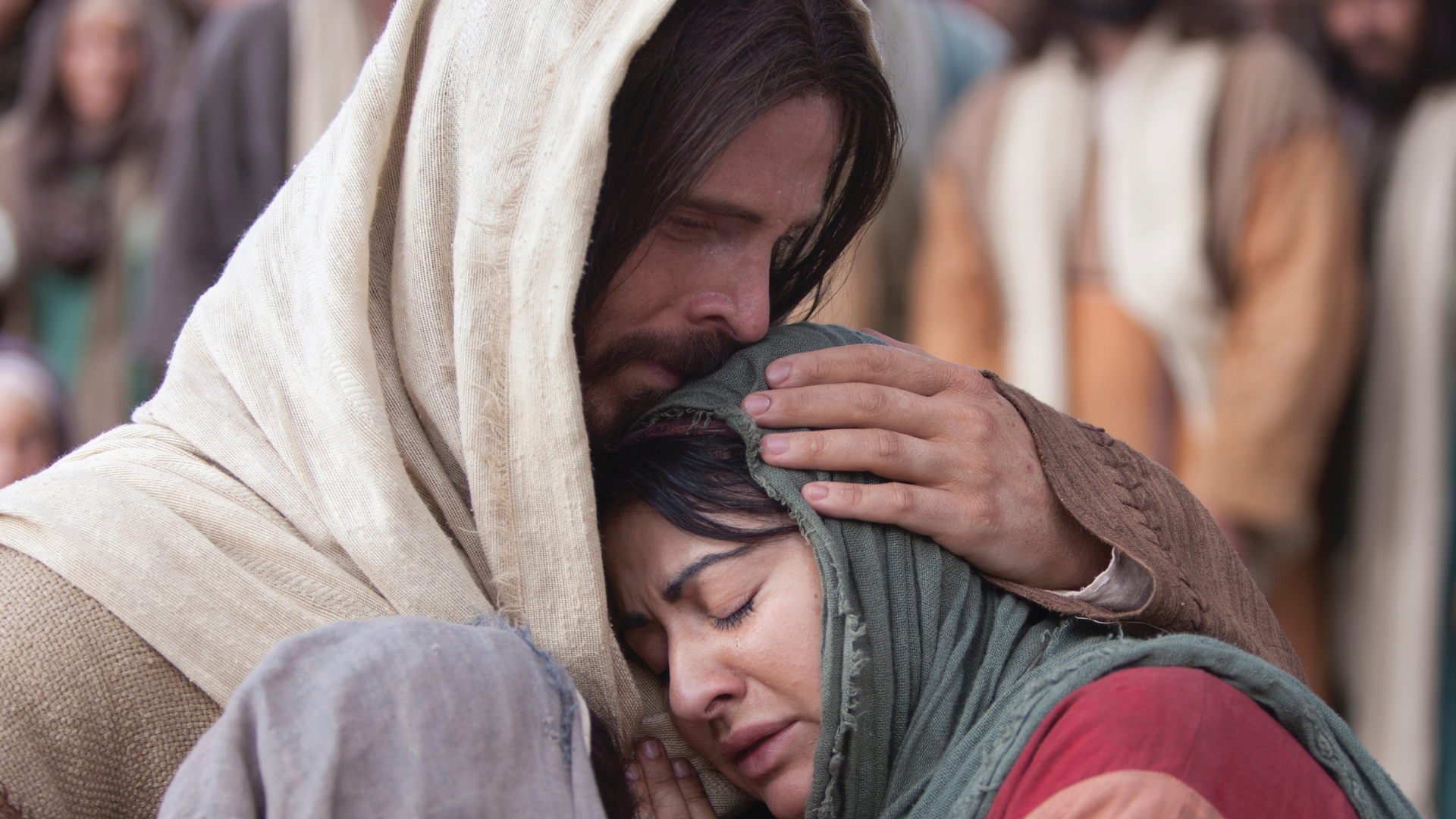
When Jesus weeps before healing Lazarus, his friends Martha, and then Mary, approach him, both saying, “Lord if you had been here, my brother would not have died.” It is after Mary says this that we read these two powerful words: “Jesus wept.”
Mary’s words move Jesus to tears, and then action. Not so different from the start of Jesus’ ministry when His mother Mary’s words move Him into action at the Wedding of Cana, when He performs His first miracle. We read of his emotion of resisting this miracle at first, as He knew it would finally begin this ministry in Cana that he spent His life preparing for, and it would also eventually lead to His death.
Jesus cries as He mourns the loss of His dear friend. He cries as He has disappointed his friends. But does He also cry because He knows with this miracle, raising someone from the dead, will lead to an even greater response from those who already are threatened by Him and wish to arrest and kill Him? Did Jesus know this miracle would set the end of His final days into motion?
In the Garden
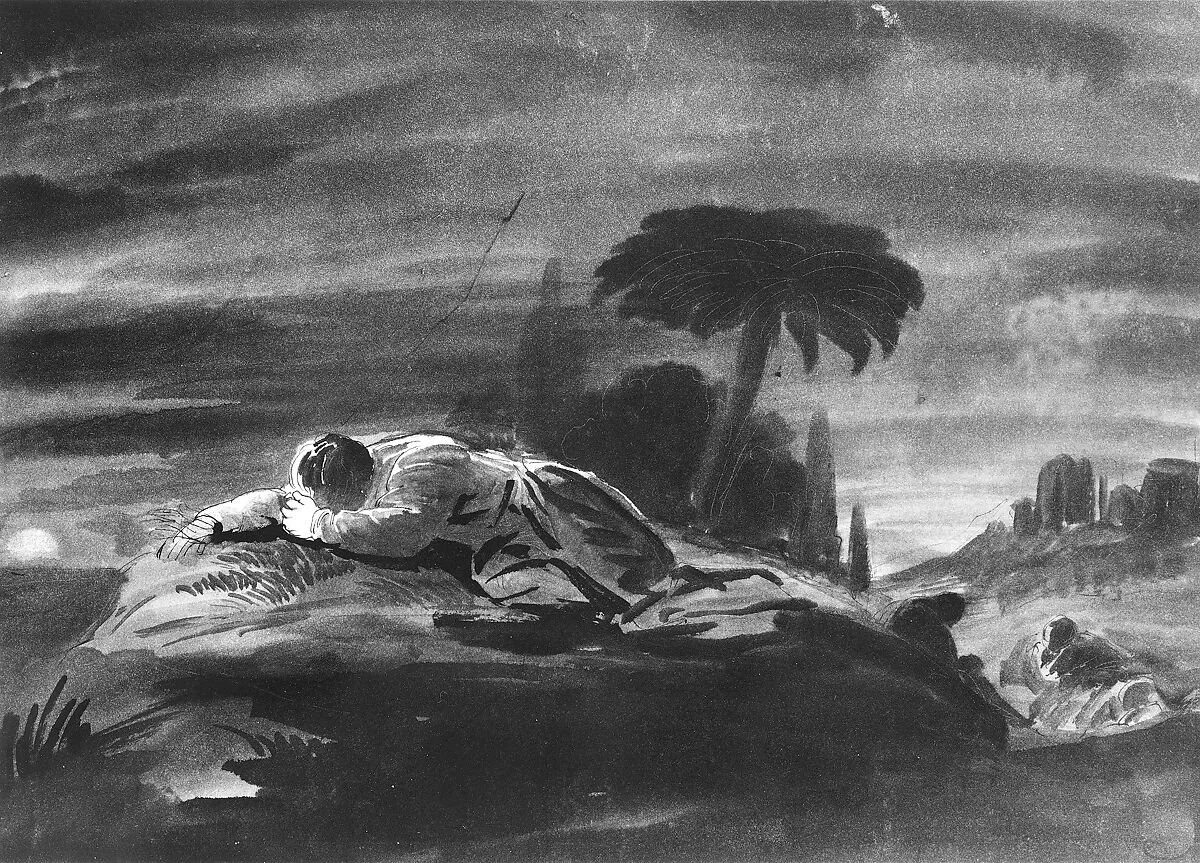
The third time Jesus wept in the Garden, scripture tells us that He was in great agony. Betrayed by his followers and friends, and fully aware of what was about to unfold, His final night on earth was one of deep humanity and surrender.
Jesus had to be scared on a human level. Just imagine knowing the pain that was too soon follow. From a broken heart to broken bones, this was torture in every sense of the word.
Jesus begs God to “take this cup” from Him, if it is God’s will. We are presented with Jesus in His full humanity, calling God “Abba,” the most relational translation of the word “Father.” For us today, it would be like Jesus calling “Dad” or “Daddy.” It is a deeply emotional plea and acceptance.
As we suffer in life, we too may turn to God, not as this distant judge, but as a loving father, asking for relief, perhaps even a miracle. We also learn to trust and accept God’s will- whatever it may be or seem to be. How grateful I am to know of Jesus’ time of desperation and suffering as it helps me move from a place of despair to a place of hope, knowing that Jesus once felt the same (and most importantly, that Good Friday was not the end).
Weeping over Jerusalem

Now to the main focus of this reflection- Why does Jesus weep over Jerusalem?
Theologians have a few thoughts on the matter (as you may expect). The first is that this emotional response foreshadowed the destroying of Jerusalem in 70 AD. This could very well be insight into the divine nature of Jesus knowing what was to come. Most scholars believe that Luke’s Gospel, which tells us this fact was likely written ten years before Jerusalem was sacked, so it wasn’t a rewriting of history to connect these two events.
Just imagine if you were returning your hometown, and you knew that soon, it would be destroyed. Your loved ones, places of great importance (including your place of worship), and the background to so many key life moments were all about to be left in ruins. No wonder Jesus wept. We all would.
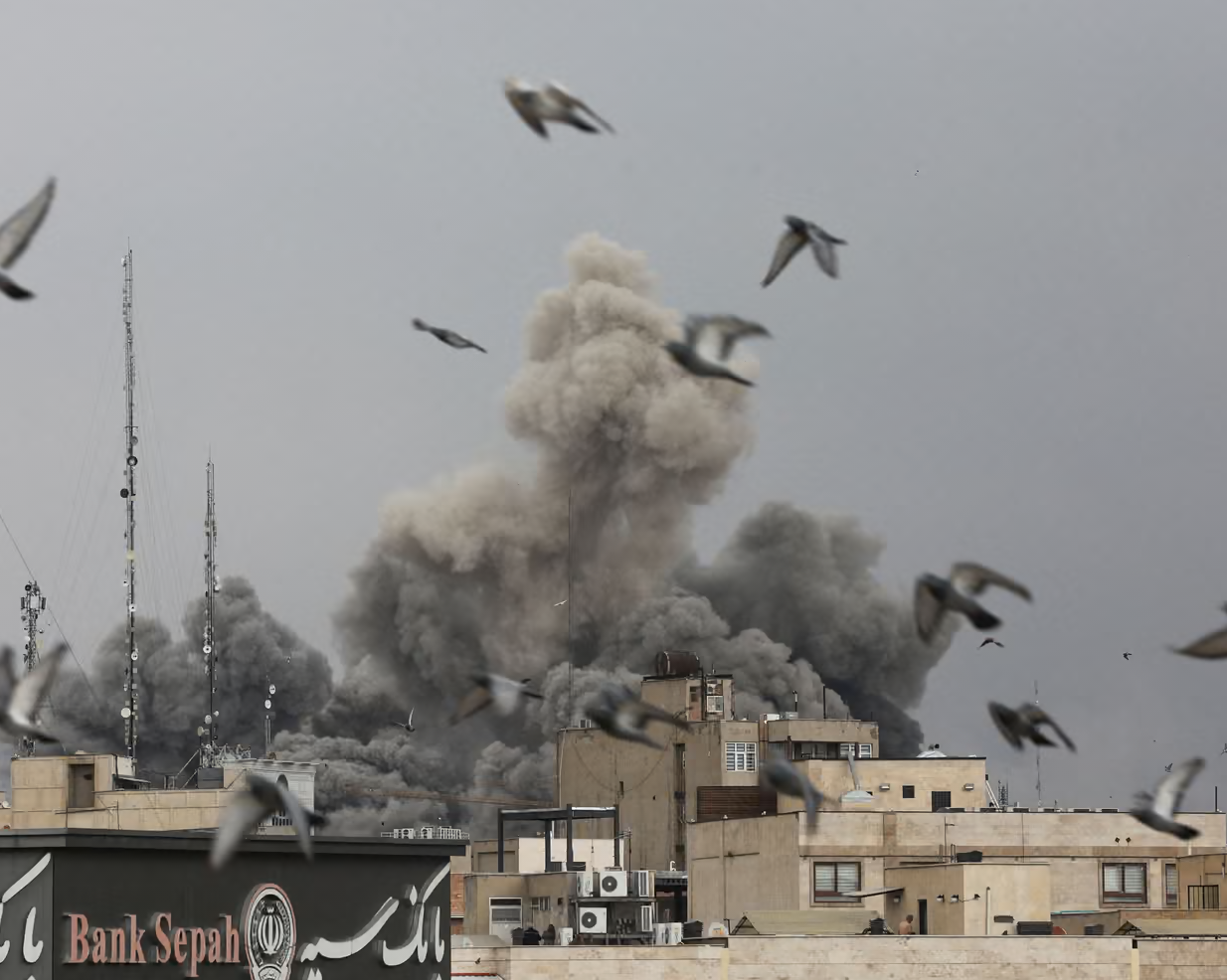
An image from the recent bombings in Iran
As I reflected on this possibility, I couldn’t help but think of the tens of millions of people in Iran last week who are wondering if their home (and lives) would soon be destroyed after President Trump’s threat that their “civilization will die.”
Just imagine if another world leader threatened this on us in the United States?
Imagine if our roads, bridges and tunnels were threatened to be destroyed (another threat of this last night). What if our electrical grid was obliterated (again, last night a threat)? Think of how many innocent people would die in hospitals, and homes where they depend on electricity for medical relief. Consider how many would suffer from disease, starvation, and other effects of destroying transportation and electricity. I, for one, wouldn’t be getting my chemotherapy next week, or anytime soon, which is my best chance of survival.
Surely, out of fear, tears would be shed.
On social media where I raised my concerns about Trump’s comments, I was met with some resistance because of Iran’s horrific leadership and their own treatment of their people. First, let’s clarify that the dangerous leadership of Iran doesn’t represent all its people, just as this current US administration certainly does not represent my beliefs and views. Second, this threat was not a military operation against leadership (which raises its own set of questions), it is a threat against a population-mostly innocent citizens, including women and children.
Let’s return to the question of why Jesus wept as He approached Jerusalem.
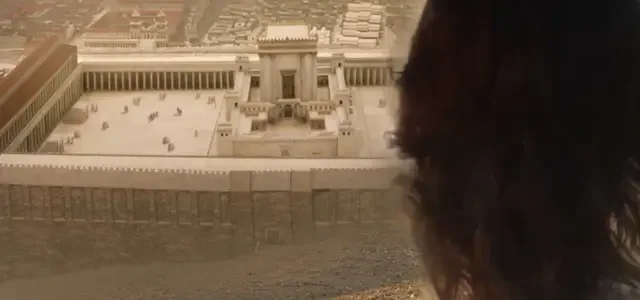
Jesus may have wept because He knew what was to await His arrival. He would be met by many as a conquering hero, soon to be demanded to die by the very same crowds. Jesus knew he was going to die in Jerusalem, He told his disciples quite clearly although they did not understand (Luke 18:31-34). If I knew I was about to suffer and die, I would cry too.
I also wonder if Jesus wept because despite his ministry of miracles, parables, healings, and love, people still missed the point. And He was running out of time. “How do they not see and understand,” He must have pondered with frustration and with sadness.
And this is not just about those in Jerusalem at that time, it is all of us. We continue to fail to see who Jesus truly was and is.
How often we miss God in our midst because we are more focused on the law and rules, as the religious were of Jesus’ time. They were consistently outraged that Jesus healed on the Sabbath or touched those who were seen as “unclean.” They put law over humanity. How often we do the same, especially us “religious folks.”
Instead of seeing God, we may also be blinded by our need to keep our power. We stay limited to our tribes or groups where we plant our political, ideological, and religious flags. We create safe inner circles that require others on the outside so we can feel special, important, and powerful (Be careful as much of this occurs on the subconscious level).
In our attempt to be in control, to be better than, we miss God before us. We do not hear Jesus when He teaches us the Beatitudes, or that the “last will be first.” We reject this radical way of thinking because it threatens our very way of living.
For many of us in America, it is hard to truly see as we are looking out from the inside. How our point of view is blurred by our privilege, comfort, and yes, power (as compared to so many other parts of the world where basic human rights and dignity are absent).
Jesus must want to shake us and say, “didn’t you hear what I said?” Instead, we continue to do the opposite. Ever since Catholicism became the official religion of Rome (313 AD), Jesus has been a symbol of royalty, of power. We made Jesus into our own image, shaping Him to reflect our egos and point of view. How much blood has been shed in the name of Jesus? This was not the message or mission of the Prince of Peace who said, quite explicitly, “put down your sword.”
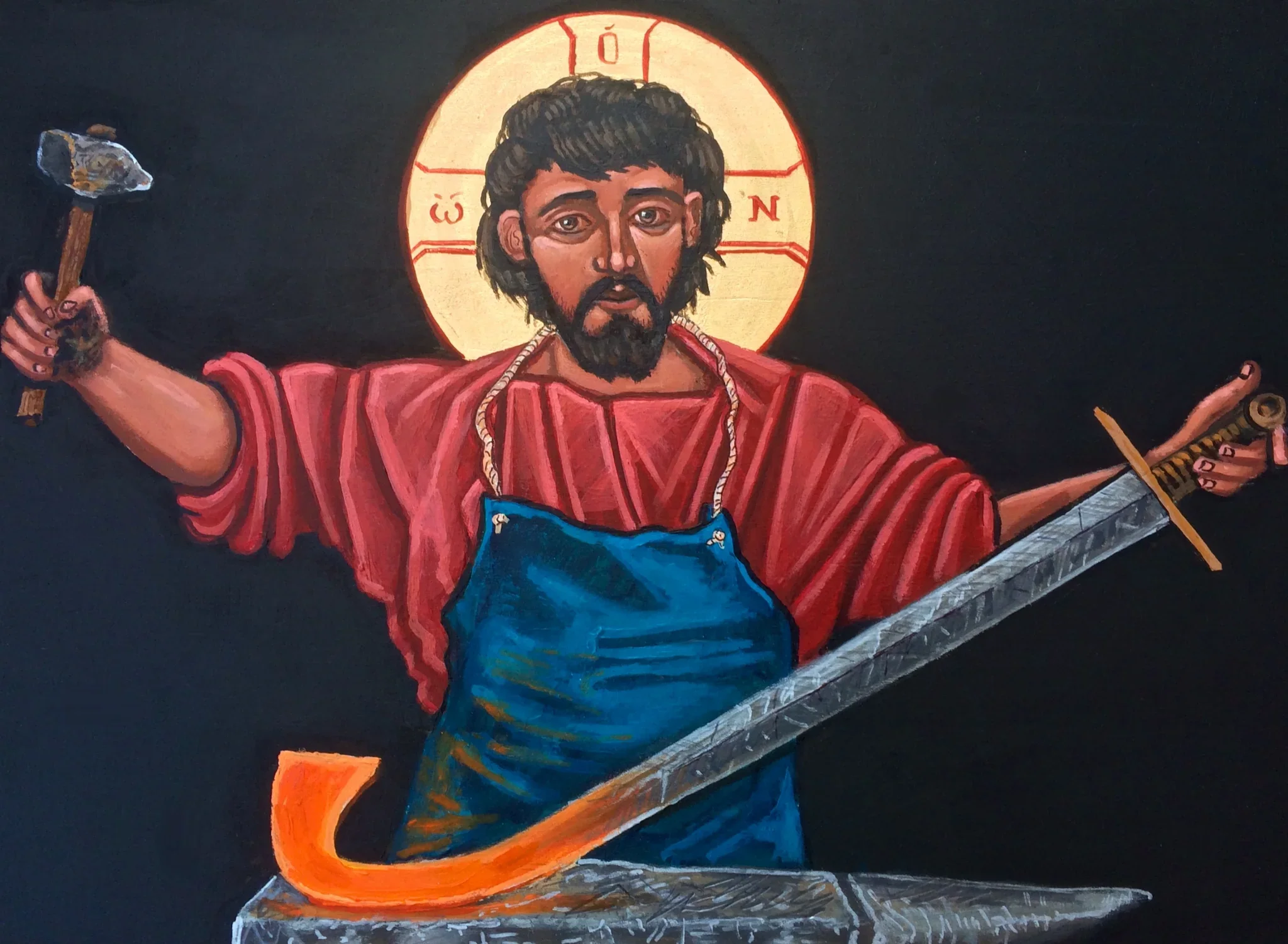
Learn more about this image here.
When the US government invoked Jesus’ name for war, Pope Leo, had to speak up and say this is not the work of God. Killing innocent people, with no plan in place, with misinformation abound, instead of exhausting dialogue first, the Holy Father could no longer stay silent. Nor should anyone else who follows Jesus, the Christ.
For 2,000 years, we continue to get it wrong. We prioritize power and strength, and we see violence as method for peace, which it never is. We do the opposite of what Jesus taught us.
And this is not limited to Iran. Take a few minutes and “Google” what is occurring in Haiti, Sudan, and Gaza. People are starving to death, facing extreme sexual and physical violence. The suffering is endless. In over 100 countries, armed conflict exists.
Here in America, we prioritize gun ownership rights over preventing gun violence, we seem perfectly content with income disparity, we are increasing the use of fossil fuels when most of the world is turning away from them, and we allow the wealthiest to play by different rules than the majority.

President Trump posted this image on his Truth Social account last week.
I truly doubt that if Jesus walked the earth today, He would be embracing our leaders. Instead, he would be flipping the tables in the Oval Office, in Congress, and even at the United Nations, because we are doing the opposite, often in His name. And yes, I believe He would also weep for we continue to make the same mistakes, but are only growing in power to destroy God’s creation.
In Conclusion
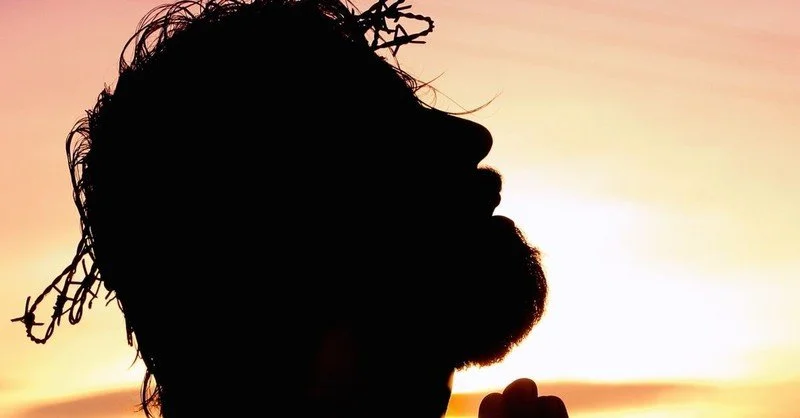
Each time Jesus cries, an action follows. He raises Lazarus from the dead. He enters Jerusalem, flips tables, and offers His final lessons. He suffers and dies on the cross, before rising from the dead.
His tears are never the end of the story. And they shouldn’t be for us either.
Let us cry and feel deeply for the suffering of our world. Then, let us act.
Let us love and allow the miraculous to flow from simple acts of kindness and compassion. Let us be critical of the powerful, and stand for the oppressed. Let us allow all suffering to be transformed into new life.
Just imagine if we were the generation to finally get it right. What would it look like to live the radical life of love that Jesus asked of us?
It must start within each of our hearts. We must be critical of our point of view, be open to the views of others, and be free to accept something new or different. We must honestly question if we find a balance between the head and the heart, between law and mercy, between our beliefs and reality. We must ask if we follow the Jesus of the Gospels or the Jesus of our egos.
We must be human enough to cry, to allow the suffering of this world to be genuinely felt, and then, we must do as the prophet Micah tells us- “to act justly, to love mercy, and to walk humbly with our God.” (Micah 6:8)